The Game That Changed Everything
When Epic Games launched Fortnite Battle Royale in September 2017, the gaming industry shifted on its axis. PlayerUnknown's Battlegrounds had popularized the battle royale concept, but Fortnite perfected it for mass audiences by combining accessible gunplay, unique building mechanics, and a vibrant art style that appealed to players far beyond the traditional shooter audience. Within months, Fortnite had become the most-played game in the world, and our editorial team has watched its influence on gaming culture, business models, and pop culture grow ever since.
The mobile version of Fortnite, launched in 2018, brought this revolution to smartphones and tablets, proving that console-quality gaming experiences could work on mobile devices. From our experience playing extensively on both iOS and Android, Fortnite Mobile generated hundreds of millions in revenue and showed that mobile was a fully viable platform for competitive, graphically demanding titles.
The Battle Royale Formula Perfected
At its core, Fortnite Battle Royale drops 100 players onto an island where they scavenge for weapons, materials, and items while a shrinking storm forces them into increasingly tight encounters. The last player or team standing wins. This formula, while shared with other battle royale games, is elevated by several design choices that make Fortnite uniquely compelling.
The weapon system is color-coded by rarity (Common through Mythic), providing a clear progression hierarchy that makes looting exciting and strategic. The shield system adds a layer of resource management, and the variety of weapon types — from assault rifles and shotguns to explosive bows and exotic sniper rifles — ensures diverse combat encounters.
But what truly sets Fortnite apart is its building system. Using materials gathered from the environment (wood, brick, and metal), players can construct walls, ramps, floors, and roofs in real-time. This transforms combat from simple point-and-shoot exchanges into dynamic, three-dimensional chess matches where positioning, material management, and construction speed are as important as aim.
Building Mechanics: Fortnite's Unique Identity
The building system is simultaneously Fortnite's most distinctive feature and its steepest learning curve. At a basic level, players use building to create cover during firefights: a quick wall can block incoming shots, a ramp can provide height advantage. At advanced levels, players execute complex "edit plays," building structures and rapidly editing them to create unexpected angles of attack. Our reviewers found that mastering these techniques is deeply rewarding, essentially weaponizing the construction system itself.
The introduction of Zero Build mode was, in our view, one of the smartest decisions Epic ever made. This mode maintains all other aspects of Fortnite while removing construction entirely, replacing it with an overshield that regenerates over time. Zero Build attracted millions of players who had previously been intimidated by building and has become one of the game's most popular permanent modes.
The Chapter and Season System
Fortnite's content delivery system is structured around seasons (typically lasting 2-3 months) grouped into chapters. Each season introduces a new Battle Pass, map changes, weapons, and narrative developments. Each chapter represents a more dramatic shift, often introducing an entirely new map with fresh points of interest, biomes, and gameplay mechanics.
This system keeps the game in a constant state of evolution. Players never know exactly what next season will bring — a new biome, a returning classic weapon, a map-altering live event — and this anticipation drives continuous engagement. The beginning of each new season is treated as a major event in the gaming community, with millions of players logging in simultaneously to discover what's changed.
Live Events
Fortnite's in-game live events have become legendary. The black hole event that marked the end of Chapter 1, Travis Scott's Astronomical concert (watched by over 12 million concurrent players), and Marvel crossover events have redefined what's possible in interactive entertainment.
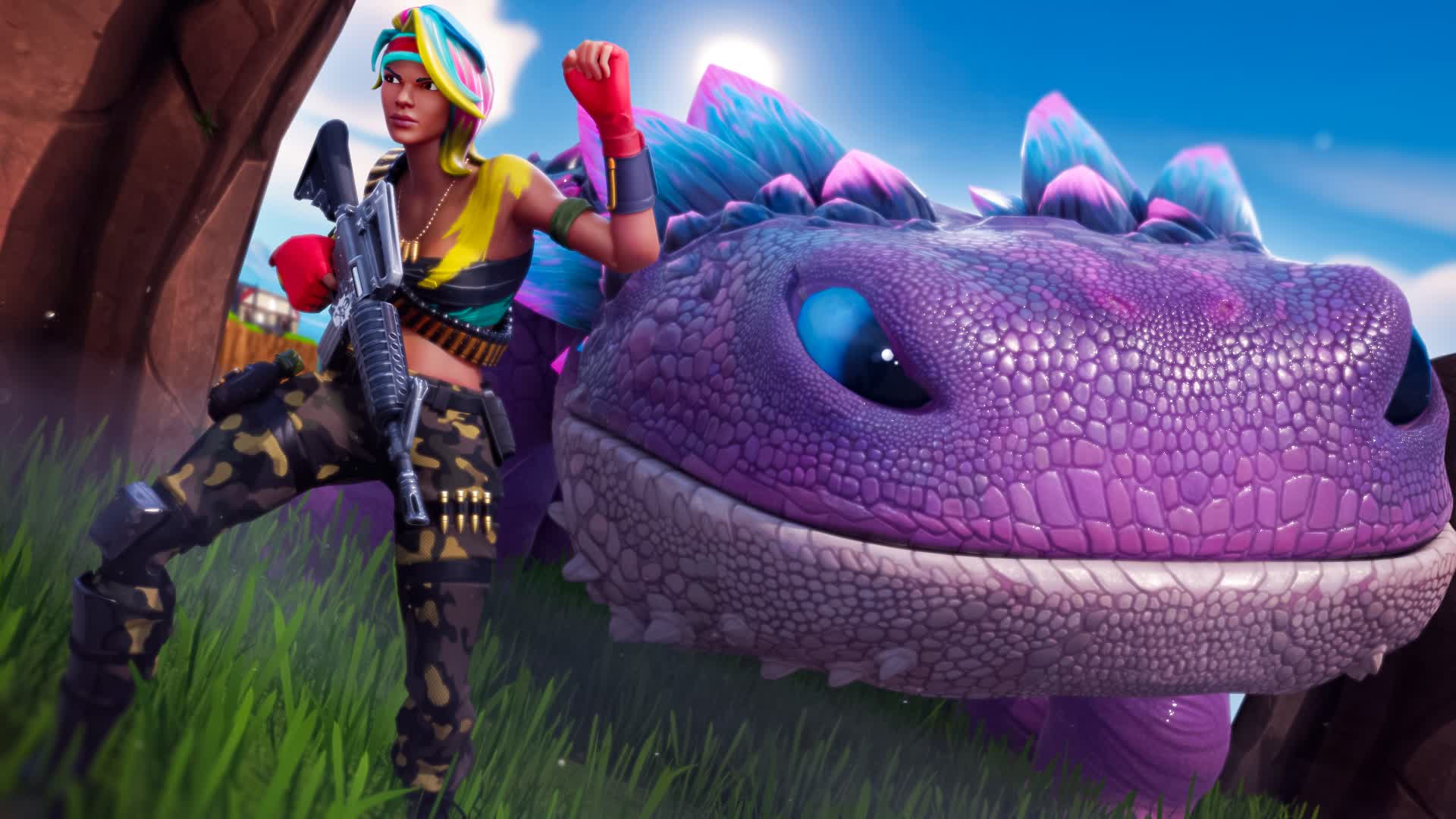
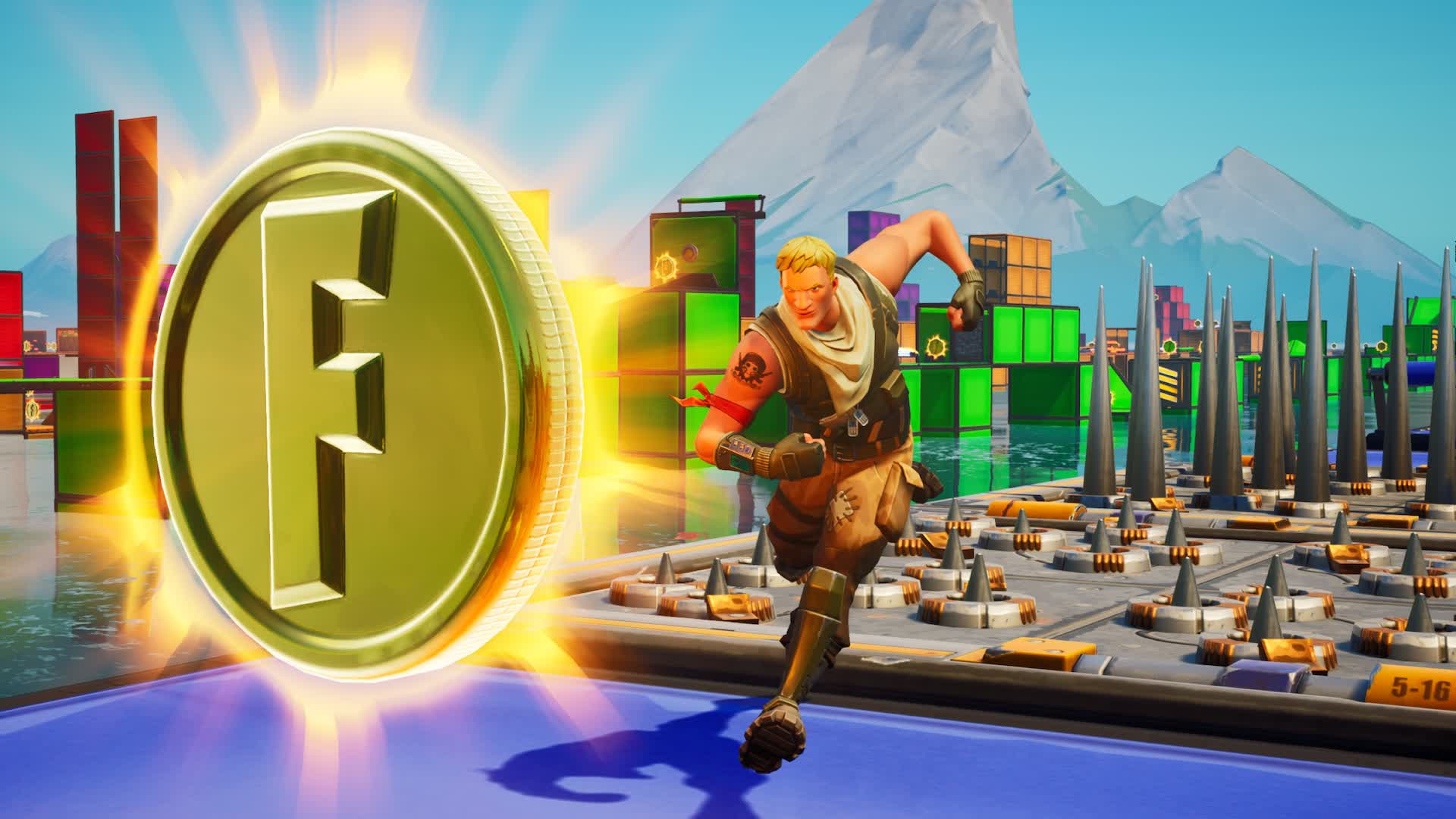
Gameplay screenshots
Crossover Events: Where Worlds Collide
Fortnite has become the ultimate crossover platform, hosting collaborations with virtually every major entertainment franchise imaginable. Marvel superheroes, Star Wars characters, DC Comics heroes, Dragon Ball Z fighters, and icons from dozens of other properties have appeared as playable skins, map elements, or event-specific content.
These crossovers go far beyond simple cosmetic additions. The Marvel Nexus War season transformed the entire map into a superhero battleground. The Star Wars collaboration included a live, in-game screening of exclusive footage. The Dragon Ball event added Kamehameha attacks as usable abilities. What our editors love most about these events is how each one blurs the lines between gaming, movies, music, and broader pop culture.
For many fans, Fortnite has become a living cultural archive where Spider-Man can team up with Naruto and Darth Vader in a single match. We genuinely believe no other entertainment platform could deliver these absurd and delightful juxtapositions.
Creative Mode: Beyond Battle Royale
Fortnite Creative (and its evolution, UEFN — Unreal Editor for Fortnite) transforms the game into a platform for user-generated content. Players can build custom islands, design game modes, create obstacle courses, and publish experiences for the entire Fortnite community to enjoy. Some creator-made experiences have attracted millions of players, and Epic Games shares revenue with successful creators through the Creator Economy program.
The creative ecosystem has produced everything from faithful recreations of classic games to entirely original experiences that push the boundaries of what Fortnite's engine can do. Racing games, horror experiences, RPGs, and puzzle games all exist within Fortnite's creative universe, making the platform relevant even for players who never touch the battle royale mode.
The Competitive Scene
Fortnite's competitive ecosystem is among the most lucrative in all of gaming. The Fortnite World Cup in 2019 featured a $30 million prize pool — the largest in esports history at the time — and the game continues to host regular competitive events with substantial prizes. The competitive format emphasizes a combination of combat skill, strategic positioning, and building proficiency, creating a uniquely demanding test of gaming ability.
The competitive scene has produced genuine celebrities, including Kyle "Bugha" Giersdorf, who won the inaugural World Cup solo finals at age 16, taking home $3 million. Professional Fortnite players command large social media followings and lucrative sponsorship deals, and the competitive community drives much of the game's content creation ecosystem.
The Mobile Experience
Bringing Fortnite to mobile devices was a technical achievement that pushed the boundaries of what smartphones could handle. The mobile version offers the full Fortnite experience — the complete map, all game modes, cross-platform play with console and PC players — on devices small enough to fit in your pocket.
Touch controls were redesigned for the mobile format, with customizable HUD elements allowing players to arrange buttons and controls to their preference. Controller support for mobile devices was added, providing console-like controls for players who preferred physical inputs. Despite the inherent limitations of mobile hardware, the Fortnite mobile experience captured the essence of the game remarkably well and proved that AAA gaming on mobile was not just possible but commercially viable.
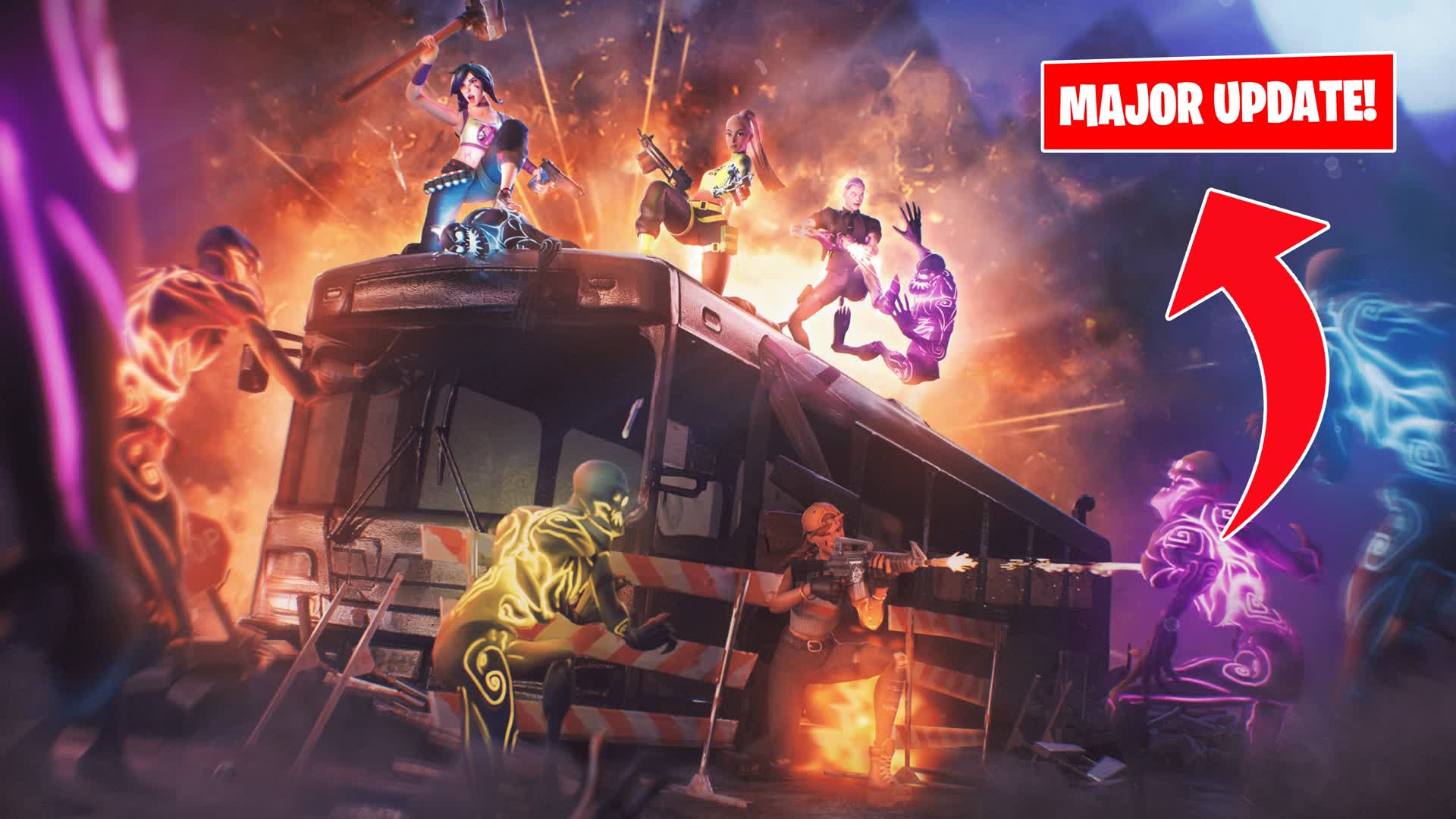
Fortnite mobile gameplay
Cultural Impact Beyond Gaming
Fortnite's influence extends far beyond the gaming industry. Its dances and emotes have become part of mainstream culture, performed by professional athletes, referenced in television shows, and taught in dance classes. The game's free-to-play model with cosmetic microtransactions has become the industry standard for competitive multiplayer games. And its approach to cross-media collaboration has established a template that other platforms continue to emulate.
In our honest assessment, Fortnite has demonstrated that a single game can serve as a social platform, an entertainment venue, a creative tool, and a competitive arena all at once. Our team has spent countless hours with Fortnite across every chapter, and we're convinced its impact on the industry will be felt for decades to come.