From Clash of Clans to the Arena
When Supercell released Clash Royale in March 2016, they achieved something remarkable: they took the beloved characters and universe of Clash of Clans and reimagined them in an entirely new genre. Clash Royale combines elements of collectible card games, tower defense, and real-time strategy into a format so unique that it essentially created its own genre. Matches last just three minutes (with an overtime extension), yet the strategic depth packed into those minutes rivals games that take hours to play.
The game pits two players (or two teams) against each other on a small arena. Each player has three towers: two Princess Towers flanking a central King Tower. The objective is to destroy more towers than your opponent within the time limit, or to destroy the King Tower for an instant win. Players deploy cards from their hand (which cycles through their eight-card deck) by spending a regenerating resource called Elixir, creating a constant flow of strategic decisions about when, where, and what to deploy.
Card Types and Strategic Depth
The game's card roster encompasses over 100 cards divided into several categories, each serving distinct strategic roles.
Troops
Troop cards deploy units that march toward enemy towers, engaging enemy troops and structures along the way. The variety is enormous, from the humble Skeletons (cheap, disposable distraction units) to the mighty Golem (a massive tank that splits into smaller units upon death). Win conditions like Hog Rider, Royal Giant, and Lava Hound form the backbone of deck strategies, while support troops like Musketeer, Wizard, and Electro Dragon provide complementary damage and utility.
Spells
Spell cards provide instant effects across the arena. Fireball deals area damage, Zap stuns and resets units, Freeze immobilizes everything in its radius, and Tornado pulls enemies toward a focal point. From our experience, mastering spell timing and placement is one of the highest-skill aspects of Clash Royale; a well-timed Log or Arrows can turn a seemingly lost exchange into a favorable trade.
Buildings
Building cards place defensive structures on your side of the arena. Inferno Tower melts tanks with increasing damage, Tesla pops up to zap air and ground units, and Goblin Hut continually spawns Goblins that apply lane pressure. Buildings are crucial for defense-oriented strategies and can redirect enemy troops away from your towers.
Champions
Champions represent the newest card category, powerful hero units with unique activated abilities. The Archer Queen can turn invisible, the Golden Knight dashes through enemies, and the Mighty Miner burrows underground to appear anywhere. Our reviewers found that Champions add a layer of active play that rewards attentive, skilled deployment and create high-impact moments that can swing entire matches.
Deck Building: The Art of Eight Cards
Building a competitive deck is where Clash Royale's strategic depth truly reveals itself. With only eight cards allowed per deck, every choice matters enormously. A well-constructed deck needs a win condition (the primary tower-damaging strategy), defensive answers to common threats, spell support, and a balanced Elixir cost that allows consistent deployment throughout the match.
The meta — the prevailing strategies and popular deck archetypes — shifts constantly as Supercell releases balance updates, introduces new cards, and the player community discovers new synergies. Beatdown decks build massive pushes behind tanky units, cycle decks use cheap cards to rapidly deploy their win condition, control decks focus on defensive efficiency, and bridge spam decks apply pressure with fast, aggressive deployments. Understanding these archetypes and how they interact is essential for competitive success.
Competitive Scene
The Clash Royale League (CRL) has featured prize pools exceeding $1 million per season, with professional teams from around the world competing for the world championship. The game's spectator-friendly format and short match duration make it ideal for competitive broadcasting.
Arena Progression
Players progress through a series of arenas (from Training Camp to Ultimate Champion) by winning ladder matches and accumulating trophies. Each arena unlocks access to new cards, ensuring a steady stream of new strategic options as players climb. The trophy system creates a dynamic ranking where players can rise and fall based on performance, maintaining competitive tension at every skill level.
The Path of Legends system adds a seasonal competitive layer with leagues and ranks that reset periodically, giving players fresh competitive goals each season. Top performers earn exclusive rewards and the prestige of high-rank finishes, while the medal system tracks cumulative competitive achievement across seasons.
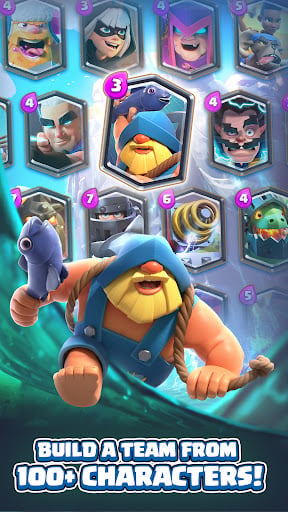
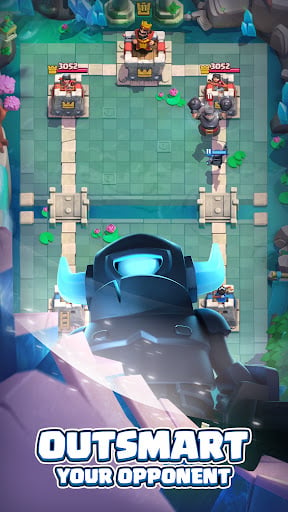
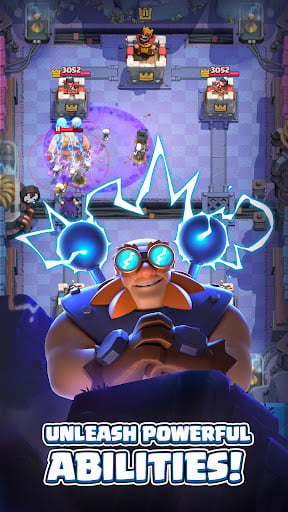
Gameplay screenshots
Clan Wars: Team Strategy
Clan Wars transform Clash Royale from a purely individual experience into a cooperative team challenge. Clans compete against each other in structured competitions where individual performance contributes to the clan's collective score. The Wars system requires players to build multiple decks from limited card pools, testing the breadth of their collection and strategic knowledge rather than reliance on a single optimized deck.
Clans also provide a social framework. Chat, friendly battles, card trading, and collaborative challenge attempts create a sense of community that keeps players invested beyond individual competition. The strongest clans develop coaching cultures where experienced members mentor newer players, creating a knowledge-sharing ecosystem that benefits everyone.
Balance and Evolution
One of Supercell's greatest achievements with Clash Royale is the ongoing balance work that keeps the game healthy and diverse. Monthly or bi-monthly balance updates adjust card statistics — increasing or decreasing health, damage, speed, and other parameters — to address cards that are too dominant or too weak. This constant refinement ensures that no single strategy remains optimal forever and that the meta stays dynamic and interesting.
New card releases, game mode additions, and quality-of-life improvements arrive regularly, demonstrating Supercell's long-term commitment to the game. The introduction of Tower Troops, card evolutions, and new competitive formats shows a development team that isn't just maintaining the game but actively evolving it to keep the experience fresh for both new and veteran players.
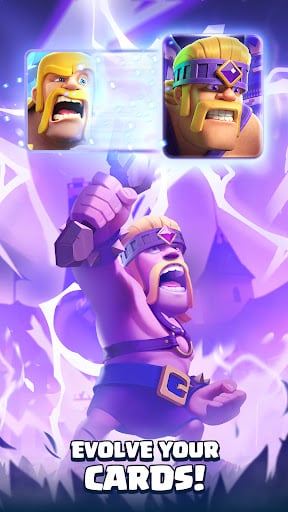
In-game action
Why Clash Royale Endures
We genuinely believe Clash Royale's longevity stems from a perfect alignment of design elements: matches are short enough for mobile play sessions but deep enough for serious competition; the card collection provides long-term progression; the social features create community bonds; and the ever-evolving meta ensures that mastery is a journey, not a destination. Personally, our lead reviewer considers it one of the most compelling competitive arenas in mobile gaming.