The Game I Almost Didn't Download
I'll be honest with you: I almost skipped Free Fire entirely. It was 2019, I was deep into PUBG Mobile, and a friend kept insisting I try "that other battle royale — the fast one." My exact words were something along the lines of "why would I play a budget PUBG?" Famous last words. Three years and probably a thousand matches later, Free Fire became one of the games I played most consistently, and not for the reasons I expected.
This isn't going to be a detached, clinical review. This is the story of how a game I dismissed as a simplified knockoff won me over with its accessibility, its pace, and — I'll admit this took me a while to appreciate — its deeply enthusiastic community. If you've been curious about Free Fire or wondered what the fuss is about, pull up a chair. Let me tell you what it's really like.
First Impressions: Wait, This Actually Works
The first thing that hit me about Free Fire was the speed. My first match lasted about eight minutes. Eight minutes! I'd come from games where a single match could eat twenty to thirty minutes of my life, and here I was, looting, fighting, and earning a "Booyah" (Free Fire's term for a win) before my coffee got cold. That pace isn't a compromise — it's a design choice, and a smart one.
The maps are compact. Bermuda, the classic map, is a fraction of the size of PUBG's Erangel. Fifty players instead of a hundred. That means you're never running through empty fields for five minutes hoping to find someone. You land, you gear up quickly, and within a minute or two, you're fighting. For someone who plays mobile games in stolen moments — on the bus, during lunch, waiting for a meeting — that tempo is perfect.
The graphics were... fine. Not stunning, not ugly. Functional. And honestly, after a few matches, I stopped noticing. What I noticed instead was how smooth the game ran on my phone. No frame drops, no heating issues, no crashes. Free Fire is famously lightweight — it runs well on devices that struggle with heavier games. For a huge portion of the global audience, that's not a nice-to-have; it's the difference between playing and not playing. Garena understood this from day one.
The Controls That Surprised Me
I expected clunky controls. I got controls that were tight, responsive, and — here's the part I didn't expect — deeply customizable. Auto-aim exists and it's generous, which makes the game accessible to new players, but you can fine-tune sensitivity, button placement, and firing modes to suit your style. By week two, I had a setup that felt genuinely comfortable. Not every mobile shooter achieves that.
What Hooked Me: Characters and Abilities
Here's where Free Fire does something that PUBG Mobile doesn't: character abilities. Each playable character in Free Fire has a unique skill. DJ Alok drops a healing aura. Chrono creates a force field. Wukong turns into a bush (yes, a bush, and yes, it works more often than it should). These abilities add a layer of strategy that pure mil-sim shooters lack.
At first, I thought this was gimmicky. Then I started experimenting with different character combinations and realized there's genuine depth here. Pairing a defensive character with an aggressive squadmate creates team compositions that feel intentional. It's not just "shoot better than the other person" — it's "use your kit smarter." That shift made the game click for me in a way I hadn't anticipated.
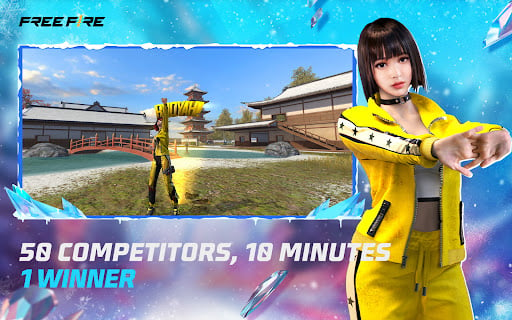
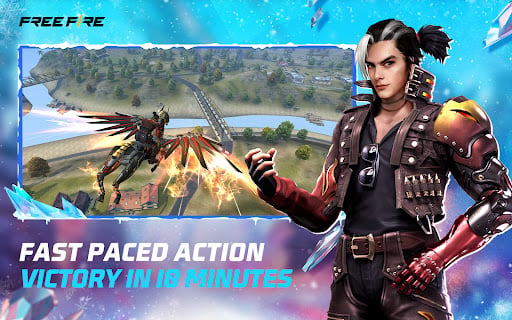
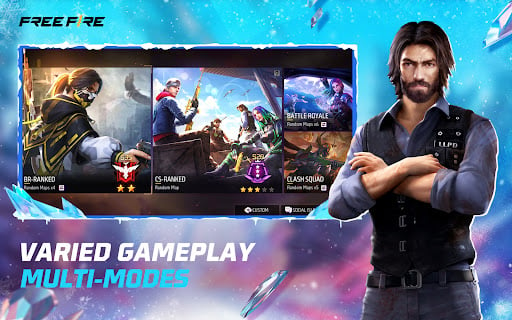
From character selection to the sweet taste of Booyah — the Free Fire journey
The Community That Changed My Mind
Let me tell you about the moment Free Fire went from "game I play" to "game I appreciate." I was watching a livestream of a Free Fire tournament — not a global championship, just a local community tournament streamed on YouTube. The chat was exploding. Thousands of viewers cheering for players with names I couldn't pronounce, reacting to plays that, in PUBG or Fortnite, would be considered basic but here were celebrated like championship moments.
And it hit me: Free Fire's community isn't trying to be the most elite. It's trying to be the most inclusive. This is a game where a kid on a budget smartphone in Indonesia can compete on the same level as someone with a flagship device. Where content creators don't just showcase pro-level plays but teach basics, celebrate small victories, and build communities around shared enthusiasm rather than gatekeeping skill levels.
The cultural impact, particularly in Latin America and Southeast Asia, is enormous. Free Fire collaborations with local celebrities, musicians, and cultural events feel organic rather than corporate. When Free Fire partnered with Brazilian funk artists or Bollywood stars, it wasn't a marketing stunt trying to be cool — it was a game meeting its audience where they already lived.
Why Free Fire Connects
• Runs on devices with as little as 1GB RAM — true accessibility
• 10-minute average match time — perfect for mobile play sessions
• Character abilities add hero-shooter depth to battle royale
• Massive cultural presence in Latin America, Southeast Asia, and India
• Regular collaborations with local artists and cultural events worldwide
The Pet System (Yes, Pets)
I know what you're thinking. Pets in a battle royale? It sounds ridiculous. And I thought so too until I had a little mechanical falcon following me around that detected nearby enemies. Or a penguin that created protective cover when I crouched. The pet system is classic Free Fire: seemingly casual on the surface, strategically useful underneath.
Each pet has a passive ability that can complement your character's active skill. It's another variable in team composition, another small decision that can tilt a fight. Is it as complex as Genshin Impact's elemental reaction system? Of course not. But it doesn't need to be. It needs to be fun and add a touch of personality, and it does both.
Clash Squad: The Mode That Kept Me Playing
While the standard battle royale is Free Fire's bread and butter, Clash Squad is where I spend most of my time now. It's a 4v4 round-based mode where teams buy weapons between rounds, similar to Counter-Strike's economy system in miniature. It's more focused, more tactical, and more skill-expressive than the BR mode.
Clash Squad strips away the randomness of loot distribution and zone positioning. Every player starts with the same economy. Wins earn more money, allowing better weapons. It's pure combat skill, team coordination, and character synergy. For players who find the battle royale format too random or too slow, Clash Squad is the answer, and it's genuinely excellent.
Bermuda's compact map ensures you're never far from the action
Who Is Free Fire For?
I've spent a lot of words here, so let me be direct. Free Fire is for you if:
- You have limited time and want matches that fit into short breaks
- Your phone isn't the latest flagship and you need a game that runs smoothly everywhere
- You enjoy battle royale but find games like PUBG Mobile too slow or too intense
- You like character abilities and hero-shooter elements mixed into your BR experience
- You want a game with an enthusiastic, welcoming community
Free Fire is probably not for you if you want hyper-realistic gunplay, massive maps, or a deeply competitive ranked experience. For that, PUBG Mobile or Fortnite are better choices. But if someone had told me that two years ago, I would have agreed and missed out on something genuinely enjoyable. So maybe give it a shot anyway. That's what I did, and this article exists because of it.
The Party Game Crossover Appeal
Something interesting I've noticed: a lot of my friends who play Free Fire also play Stumble Guys. At first, this seemed random, but it makes sense when you think about it. Both games prioritize fun over seriousness, accessibility over complexity, and quick sessions over marathon gaming. They attract the same kind of player — someone who games to unwind and connect with friends, not to grind leaderboards.
Free Fire sits in this sweet spot between "competitive shooter" and "casual party game" that no other battle royale occupies. It takes combat seriously enough to feel satisfying but not so seriously that losing feels devastating. That balance is harder to achieve than it looks.
My Honest Take, Three Years Later
Free Fire isn't the best battle royale on mobile. I'd give that crown to PUBG Mobile for depth or Fortnite for cultural relevance. But Free Fire might be the most important one. It brought battle royale to audiences that every other game overlooked — players with budget devices, players in regions with limited bandwidth, players who'd never touched a shooter before. And it did it without condescension, without stripping the genre down to nothing.
I still play it. Not every day, not obsessively, but regularly. Usually when a friend messages our group chat with "Booyah tonight?" and suddenly there are six people in a squad. It's a game that's better with friends, better when you don't take it too seriously, and better than I ever expected it to be. And for a game I almost didn't download, that's a pretty good ending to the story.